
Dental anxiety can make even routine treatment feel overwhelming. If fear, a sensitive gag reflex, difficulty sitting through longer appointments, or a previous stressful dental experience has kept you from getting care, a sedation dentist in Southfield may be able to make treatment more comfortable and manageable.
At New You Dental Center in Southfield, Dr. Meyering and our team combine personalized care, modern technology, and sedation options to help patients feel more relaxed throughout their dental visits.
What Is Sedation Dentistry?
Sedation dentistry uses medication to help reduce anxiety and promote relaxation during dental treatment. Depending on your health, comfort level, and planned procedure, sedation options may include nitrous oxide, oral sedation, or monitored IV sedation when clinically appropriate.
Before recommending sedation, our team reviews your health history, current medications, and other relevant factors. We then explain which option may be appropriate and what you can expect before, during, and after treatment.
The goal is to make necessary dental care feel less stressful while helping you remain as comfortable as possible throughout your appointment.
Who Is a Candidate for Sedation Dentistry?
Sedation dentistry may be helpful for adults and older teens who:
- Feel anxious or fearful about dental treatment
- Have postponed dental visits because of anxiety
- Have a sensitive gag reflex
- Have difficulty sitting comfortably through longer procedures
- Need multiple or more complex treatments
- Have a low tolerance for dental discomfort
- Have experienced stressful or difficult dental visits in the past
Sedation is not appropriate for every patient. Your medical history, medications, treatment needs, and overall health all play a role in determining whether sedation is suitable for you.
If sedation is not recommended, our team can discuss other ways to improve your comfort during treatment.
What Types of Dental Sedation Are Available?
At New You Dental Center in Southfield, sedation options may include nitrous oxide, oral sedation, and monitored IV sedation when appropriate for the patient and procedure.
Nitrous Oxide
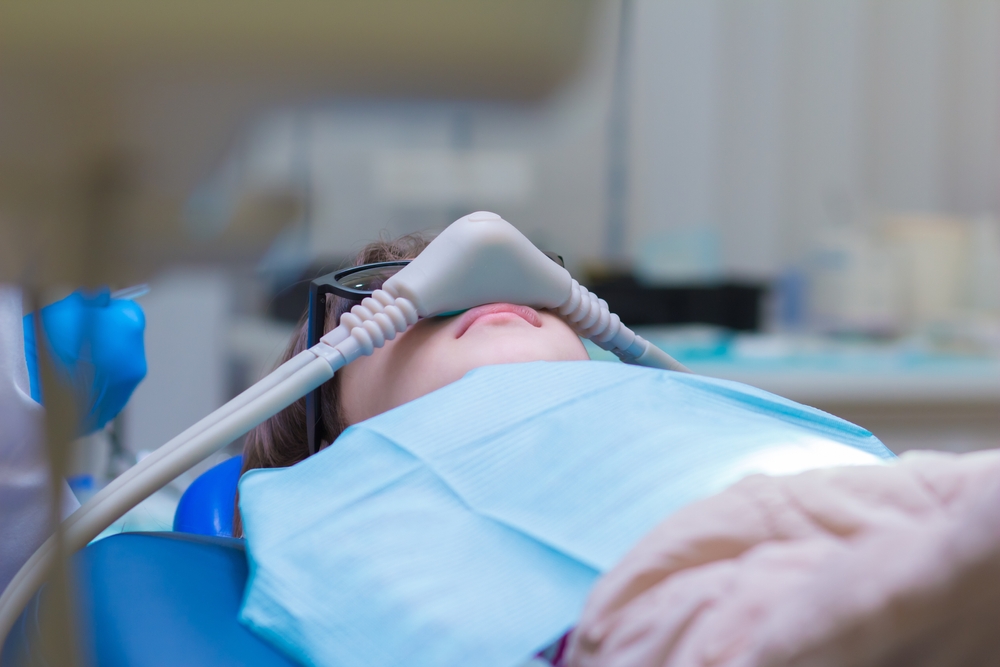
Nitrous oxide, commonly known as laughing gas, provides mild relaxation during treatment. You remain awake and responsive while breathing the gas through a small mask.
The effects typically wear off quickly after the nitrous oxide is stopped, making it a convenient option for many patients who need help managing mild dental anxiety.
Oral Sedation
Oral sedation uses prescribed medication to help reduce anxiety and promote relaxation. You remain responsive during treatment, although you may feel drowsy and may remember less of your appointment.
Your dental team will provide specific instructions about preparation, transportation, and recovery when oral sedation is used.
IV Sedation
Monitored IV sedation may be recommended when clinically appropriate. Medication is delivered intravenously, allowing the sedation level to be carefully managed throughout treatment.
Before your appointment, we will explain what to expect, how to prepare, and what recovery instructions you will need to follow.
Sedation Dentistry FAQs for Southfield Patients
Can sedation dentistry help if I am afraid of the dentist?
Yes. Sedation dentistry is commonly used to help patients who experience dental anxiety or fear. The most appropriate option depends on your health, level of anxiety, and planned treatment.
Sedation may also help patients who have avoided necessary care because previous dental experiences felt stressful or overwhelming.
Will I be unconscious?
Most forms of dental sedation do not make you completely unconscious. You are generally able to respond to instructions, although you may feel very relaxed, sleepy, or remember little of the appointment, depending on the type of sedation used.
Your dental team will explain the expected level of sedation before treatment begins.
How do you keep sedation safe?
Before treatment, our team reviews relevant health information, medications, and vital signs. Patients are monitored during sedation, and recovery and aftercare instructions are provided based on the type of sedation received.
Can I drive after sedation?
That depends on the type of sedation you receive.
Patients who receive oral or IV sedation generally need a responsible adult to drive them home and should follow all recovery instructions provided by the dental team.
Nitrous oxide typically wears off much more quickly, but you should always follow the specific guidance given for your appointment.
How should I prepare for sedation dentistry?
Preparation varies depending on the type of sedation. You may receive instructions about:
- Eating and drinking before treatment
- Taking your usual medications
- Transportation to and from the office
- What to bring to your appointment
- Recovery after treatment
Follow the instructions provided by our team rather than changing your medications or diet on your own.
How long does it take to recover from sedation?
Recovery time depends on the sedation method and your individual response.
Nitrous oxide generally wears off quickly after treatment. Oral and IV sedation may require more recovery time, and you may need to rest for the remainder of the day.
Your dental team will explain what to expect before you leave the office.
Benefits of Sedation Dentistry
For appropriate patients, sedation dentistry may make dental care easier to manage by helping reduce anxiety and improve comfort.
Potential benefits include:
- Less dental anxiety and stress
- Greater comfort during longer appointments
- Better management of a sensitive gag reflex
- A more manageable experience after previous stressful dental visits
- The possibility of completing more treatment during one appointment when clinically appropriate
The amount of treatment that can be completed still depends on your health, the procedures involved, and what can be performed safely during a single visit.
What to Expect During a Sedation Dental Visit
Your appointment begins with a review of your planned treatment and sedation instructions. Before treatment starts, our team will make sure you understand the recommended approach and have an opportunity to ask questions.
Depending on your care, your visit may include:
- A pre-treatment health and medication review
- A vital signs check
- A discussion of your sedation plan
- Monitoring during treatment
- Recovery time after the procedure
- Written aftercare instructions
Sedation may be considered alongside several types of dental care. For example, patients receiving dental implants or other more involved procedures may benefit from discussing sedation options as part of their treatment plan.
Comfort at Our Southfield Dental Office
Sedation is only one part of creating a more comfortable dental experience.
Our Southfield office offers blankets, noise-canceling headphones, televisions in treatment rooms, pillows, sunglasses to reduce bright light, and music. These amenities can help make visits feel more relaxed for patients who are sensitive to the sights, sounds, or sensations of dental treatment.
The office also includes coffee and tea stations, charging stations, and a children’s play area for families.
Digital tools such as CBCT imaging and intraoral cameras help our team evaluate oral health and plan treatment efficiently.
Patients can also explore our patient education resources for additional information about dental care and common procedures.
Sedation for Different Types of Dental Treatment
Sedation dentistry may be considered for a variety of procedures depending on your individual needs.
Patients undergoing restorative treatment, multiple procedures, or more extensive care may find sedation especially helpful when appointments are expected to be longer.
Sedation can also be discussed as part of a broader treatment plan involving services such as cosmetic dentistry when anxiety or appointment length is a concern.
Your dentist will determine whether sedation is appropriate based on your health, planned procedure, and comfort needs.
Preparing for Your Appointment
Before your visit, our team will provide instructions specific to the type of sedation you are receiving.
These instructions may cover food and drink restrictions, medications, transportation, and recovery. Following them carefully is an important part of preparing for treatment.
If you are unsure about any instruction, contact the office before your appointment rather than making changes to your medications or routine on your own.
Ready to Feel More Comfortable at the Dentist?
Dental anxiety does not have to prevent you from getting the care you need. Dr. Meyering and the New You Dental Center team in Southfield can discuss your concerns, review available sedation options, and determine whether sedation dentistry is appropriate for your treatment.
If you are looking for a sedation dentist in Southfield, request an appointment to talk with our team about your treatment needs and comfort options.